As a power equipment supplier, I often receive various inquiries from customers around the world. One of the most challenging questions is whether power equipment can be used in high - radiation areas. This is a complex issue that involves multiple aspects of science and engineering, so let's take a deep dive into it.
Understanding Radiation and Its Impact on Power Equipment
Radiation comes in different forms, including alpha, beta, gamma rays, and neutron radiation. Each type of radiation has unique properties and interacts with materials in distinct ways. High - radiation areas can be found in nuclear power plants, nuclear research facilities, and areas affected by nuclear disasters.
When radiation interacts with power equipment, it can cause several problems. For electrical components, radiation can ionize the atoms in semiconductors, disrupt the normal flow of electrons, and damage the internal structure of integrated circuits. This can lead to malfunctions, reduced performance, or even complete failure of the equipment.
For mechanical parts, radiation can cause embrittlement of materials over time. The high - energy particles can displace atoms in the metal lattice, leading to the formation of defects and cracks. This weakens the mechanical strength of the parts, increasing the risk of breakage and failure.
Our Power Equipment and Their Suitability
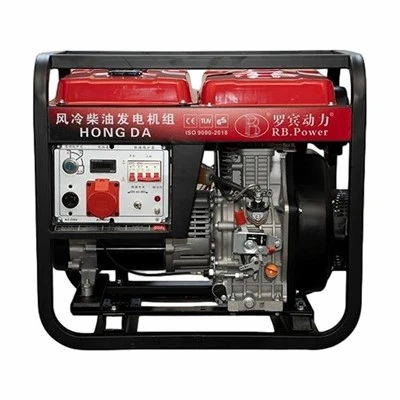
We offer a wide range of power equipment, including Single Cylinder Diesel Generator, Multi Cylinder Diesel Generator Set, and Single Cylinder Gasoline Generator. Each of these products is designed with specific features to ensure reliable operation in different environments.
Single Cylinder Diesel Generator
This generator is a popular choice for small - scale applications. It has a relatively simple structure, which makes it easier to maintain. However, in high - radiation areas, the electronic control systems of the single - cylinder diesel generator can be vulnerable. The sensors and microcontrollers used for fuel injection control and speed regulation may be affected by radiation.
To address this issue, we can provide radiation - hardened components. These components are made of special materials that can resist the effects of radiation. The shielding design can also be enhanced to protect the sensitive electronic parts from direct exposure to radiation.
Multi Cylinder Diesel Generator Set
The multi - cylinder diesel generator set is more powerful and suitable for large - scale power supply. It has a more complex control system, which includes multiple sensors, actuators, and communication interfaces. In a high - radiation area, the risk of radiation - induced failures is higher.
We have developed advanced radiation - protection technologies for our multi - cylinder diesel generator sets. For example, we use redundant control systems. If one control unit fails due to radiation, the backup unit can take over to ensure continuous operation. Additionally, we coat the critical components with radiation - absorbing materials to reduce the radiation dose they receive.
Single Cylinder Gasoline Generator
The single - cylinder gasoline generator is lightweight and portable. It is commonly used for emergency power supply. In high - radiation areas, the main concern is the ignition system and the electrical wiring. The spark plugs and the ignition coils can be affected by radiation, leading to misfires and unstable operation.
We have optimized the ignition system of our single - cylinder gasoline generators to increase its radiation resistance. The wiring is made of radiation - resistant materials, and the connectors are designed to prevent radiation - induced corrosion.
Case Studies and Testing
In the past, we have participated in several projects in high - radiation environments. For example, we provided power equipment for a nuclear power plant's maintenance operation. Our engineers conducted on - site tests to evaluate the performance of the equipment under radiation.


We set up monitoring systems to record the key parameters of the generators, such as power output, fuel consumption, and temperature. After a period of operation in the high - radiation area, we found that our radiation - hardened power equipment showed good stability. The failure rate was significantly lower compared to the non - protected equipment.
In the laboratory, we also conducted accelerated radiation testing. We exposed the power equipment to high - intensity radiation sources to simulate the long - term effects of high - radiation environments. The test results provided valuable data for further improving the radiation resistance of our products.
Considerations for Using Power Equipment in High - Radiation Areas
When considering using power equipment in high - radiation areas, several factors need to be taken into account. Firstly, the level and type of radiation in the area must be accurately measured. Different types of radiation require different protection strategies.
Secondly, the maintenance requirements of the power equipment increase in high - radiation areas. Regular inspections and replacement of radiation - damaged components are necessary to ensure the reliable operation of the equipment. Our technical support team can provide detailed maintenance guides and on - site assistance.
Finally, safety is of utmost importance. Adequate shielding should be installed around the power equipment to protect the operators from radiation. The equipment should also be designed with fail - safe mechanisms to prevent dangerous situations in case of malfunctions.
Conclusion and Call to Action
In conclusion, while using power equipment in high - radiation areas poses significant challenges, it is possible with the right design, protection, and maintenance. Our company, as a professional power equipment supplier, is committed to providing high - quality, radiation - resistant power equipment.
If you are in need of power equipment for high - radiation areas or have any questions about our products, do not hesitate to contact us. We are ready to offer you customized solutions and professional services. Let's discuss your specific requirements and find the best power equipment for your needs.
References
- "Radiation Effects on Electronic Systems" by J. A. del Cueto and J. L. Peñate
- "Nuclear Power Plant Maintenance and Equipment Management" by Michael D. Corradini