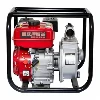
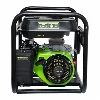
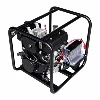
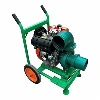
Selecting the appropriate water pump capacity is crucial for ensuring normal equipment operation and maximizing efficiency. Capacity is primarily determined by actual usage requirements, necessitating a comprehensive assessment of factors such as flow rate, head (lift), operating environment, the medium being transported, and power supply conditions. Choosing a pump with insufficient capacity can lead to problems like inadequate water supply or failure to meet pressure requirements; conversely, selecting an oversized pump may result in higher equipment costs, energy waste, and reduced operational efficiency. Therefore, pump parameters should be carefully matched to actual operating conditions during selection.
Flow rate is a key indicator in pump selection, representing the volume of liquid transported per unit of time-typically measured in cubic meters per hour (m³/h) or liters per minute (L/min). Requirements vary by application; for instance, agricultural irrigation flow rates depend on the irrigated area, crop water needs, and the irrigation method, whereas plant protection equipment requires flow rates determined by the number of nozzles, spray coverage, and operating pressure. Insufficient flow can compromise performance, while excessive flow may lead to water wastage.
Pump head is another critical parameter, representing the pump's ability to overcome resistance and lift the liquid. Head accounts not only for the vertical lift height but also for pressure losses caused by factors such as pipe length, elbows, valves, and changes in pipe diameter. When selecting a pump, one should not rely solely on vertical height but must calculate the total resistance of the entire conveyance system. Scenarios involving long-distance water transport, mountainous irrigation, or high-elevation supply require pumps with higher head ratings to ensure adequate pressure at the delivery point.
The characteristics of the medium being transported must also be considered. While standard centrifugal pumps are suitable for clean water, liquids containing silt, impurities, or corrosive substances require pumps with specific wear and corrosion resistance. Agricultural irrigation applications also require consideration of the water source; sources such as rivers, ponds, or wells can influence pump design and filtration requirements. For applications like plant protection or landscape spraying, pump pressure stability is vital to ensure the proper functioning of spraying equipment.
Power configuration is another important factor in selecting the appropriate pump capacity. A water pump's power rating must match that of its electric motor or engine; the system must meet startup and operational requirements without wasting power. For electric pumps, factors such as voltage, current, and power supply conditions must be considered, whereas diesel or gasoline-powered pumps require evaluating engine power, fuel consumption, and continuous operating duration. For equipment intended for prolonged operation, pump efficiency and reliability are also critical; models offering stable performance and ease of maintenance should be selected.