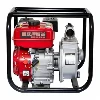
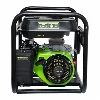
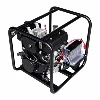
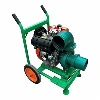
The core components of plant protection equipment primarily include the power system, chemical tank, liquid delivery system, spraying system, control system, as well as the chassis and mobility system. While specific structural designs vary across different types of equipment-such as the distinct configurations of knapsack sprayers, tractor-mounted sprayers, and plant protection drones-their fundamental function remains the same: delivering the chemical solution at a specific flow rate and spray pattern to the target areas on the crops requiring treatment. The power system drives components such as pumps, fans, or other operating mechanisms and is essential for the equipment's proper functioning. Electric equipment typically relies on batteries and electric motors for power, whereas fuel-powered units utilize gasoline or diesel engines.
The chemical tank is a critical component for storing the treatment solution; it generally requires excellent sealing properties, corrosion resistance, and sufficient mechanical strength. Tank capacity is determined by the equipment type and the intended operational area; large-capacity units are suited for continuous operation over extensive fields, while smaller, more agile units are ideal for orchards, greenhouses, and small-scale farmland. The liquid delivery system typically comprises pumps, piping, filters, and valves, serving to transport the solution from the tank to the nozzles. Filters minimize the entry of impurities into the lines and nozzles, thereby reducing the risk of clogging, while the pump generates the necessary pressure to ensure steady delivery and an effective spray pattern.
The spraying system is the component that directly executes the application, consisting mainly of spray booms, nozzles, and atomization devices. Factors such as nozzle type, spray angle, and flow rate directly influence coverage effectiveness; therefore, the appropriate nozzle must be selected based on crop type, the nature of the pests or diseases, and specific application requirements. In plant protection drones, the spraying system integrates with pumps, flow control devices, and the flight system, enabling the equipment to spray according to preset parameters during flight. A well-designed spraying system enhances chemical utilization efficiency while minimizing missed areas and overlapping applications.
The control system manages the equipment's operational status, handling functions such as power management, pressure control, flow rate regulation, and the configuration of operational parameters. Modern crop protection equipment may also incorporate features such as positioning, automatic navigation, flow monitoring, and intelligent control, enabling more precise operation based on actual field conditions. The chassis and locomotion system support the machine's weight and ensure stable movement. For field-based equipment, structural elements such as tires, the undercarriage, suspension, and ground clearance must be designed to handle muddy, soft, or uneven agricultural terrain.
The core components of crop protection equipment do not operate in isolation; rather, they work in concert to execute the entire crop protection process. The power system supplies energy, the tank stores the chemical solution, the delivery system transports the fluid, the spraying system atomizes and applies the chemicals, and the control system regulates operating parameters, while the chassis and locomotion system ensure operational stability. Only through the proper integration of these components-combined with regular inspection and maintenance-can the equipment achieve optimal operational efficiency, spraying performance, and reliability.